1869 1884
CAJAL AND THE UNIVERSITY OF ZARAGOZA
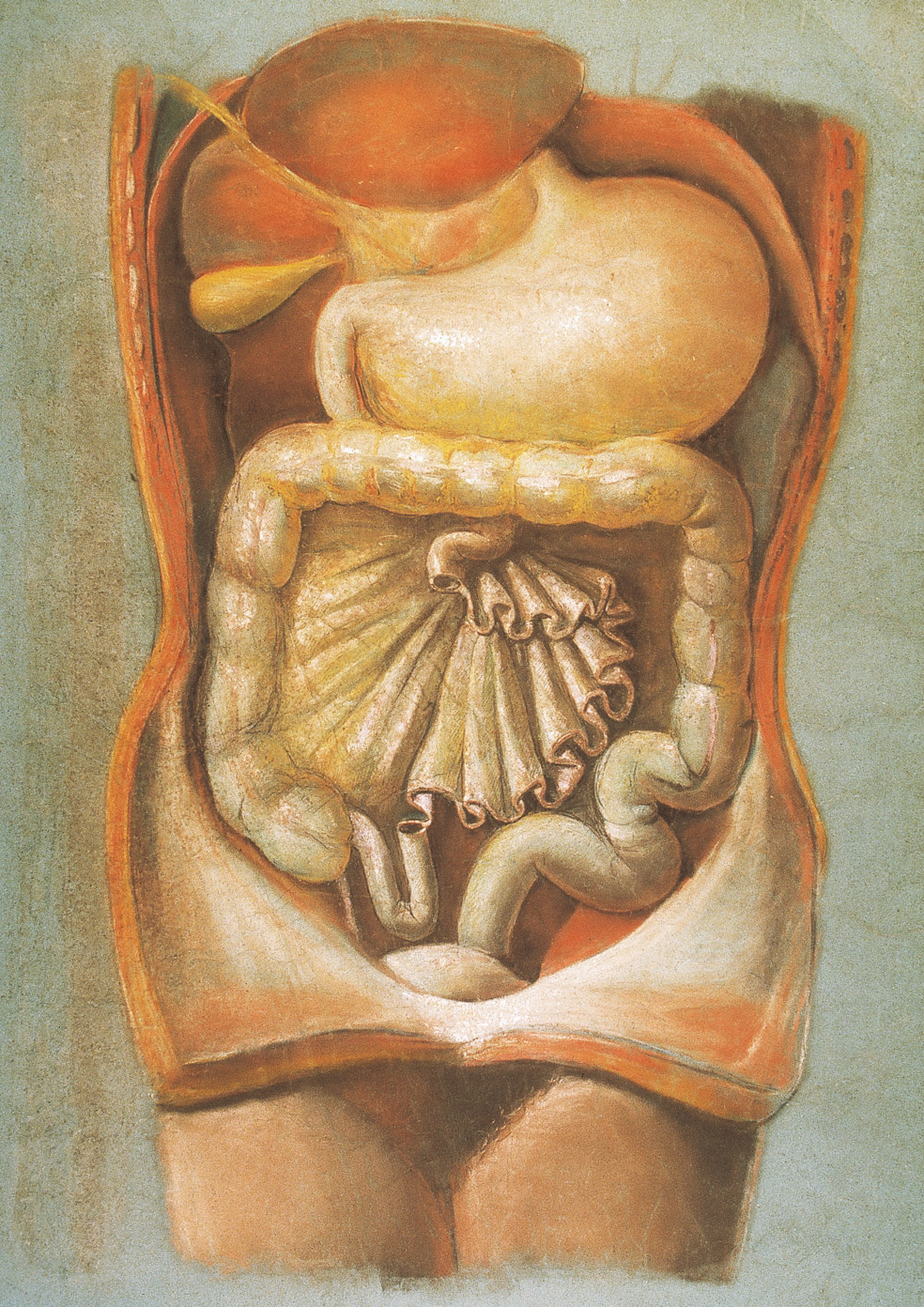
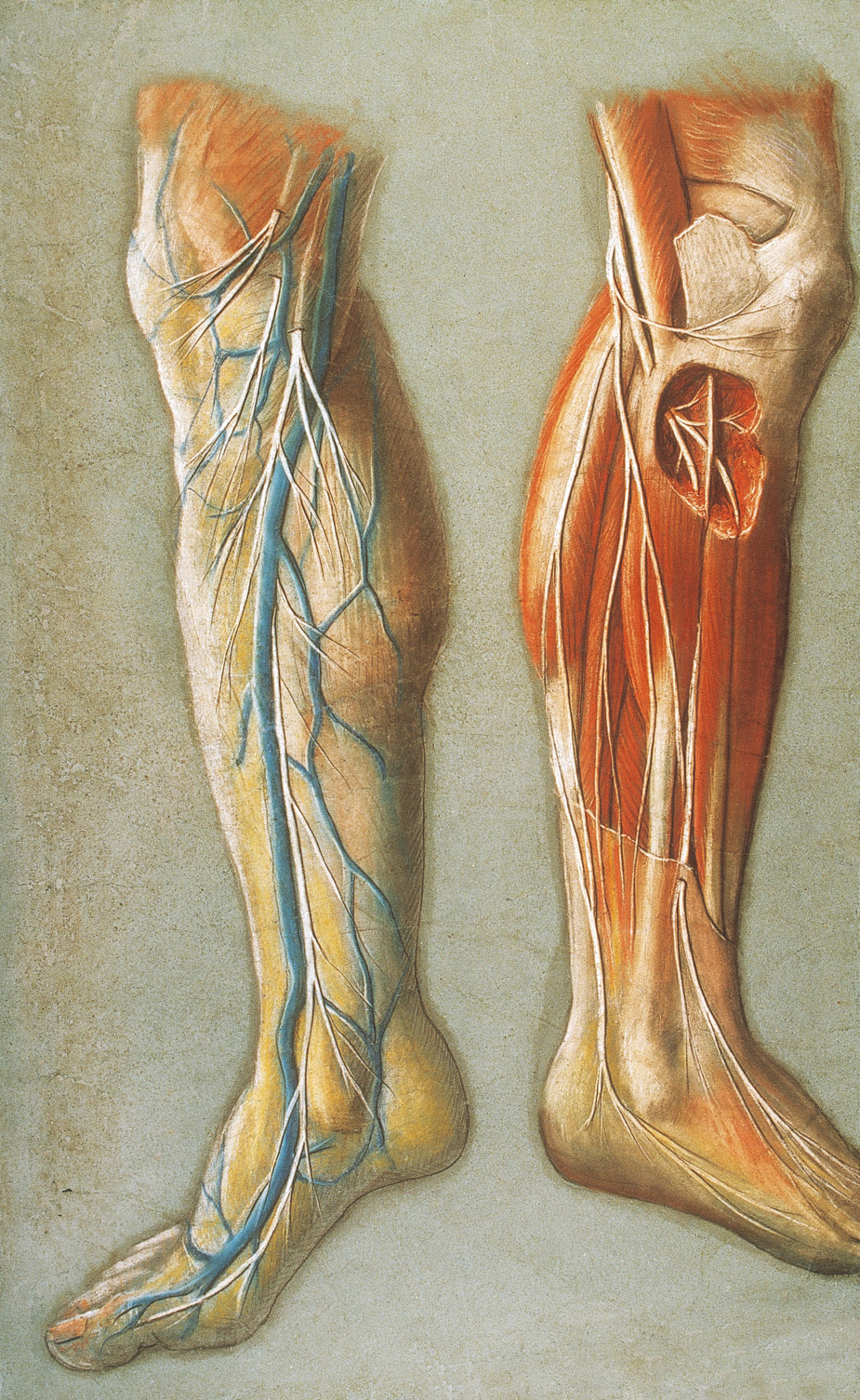
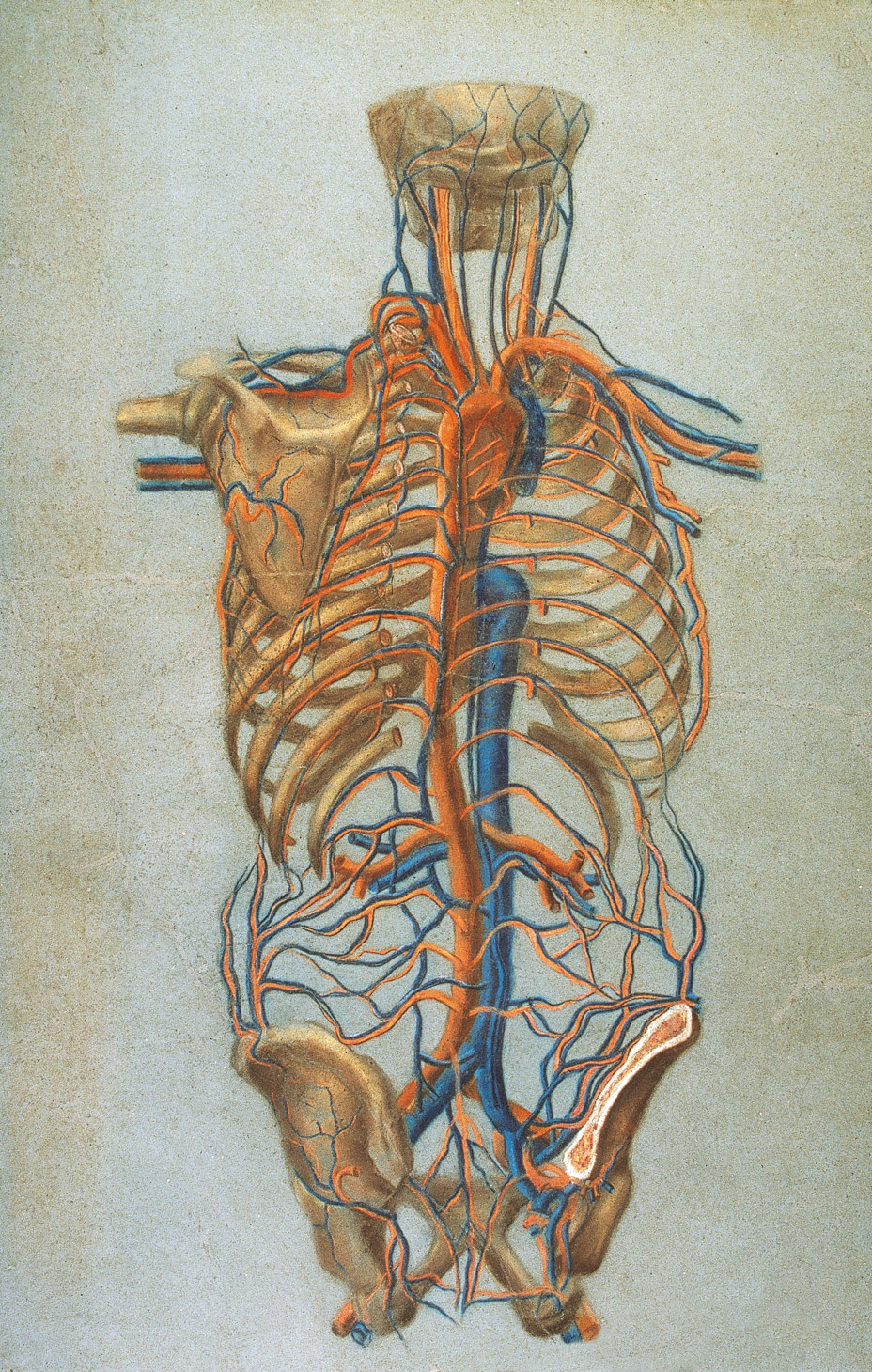
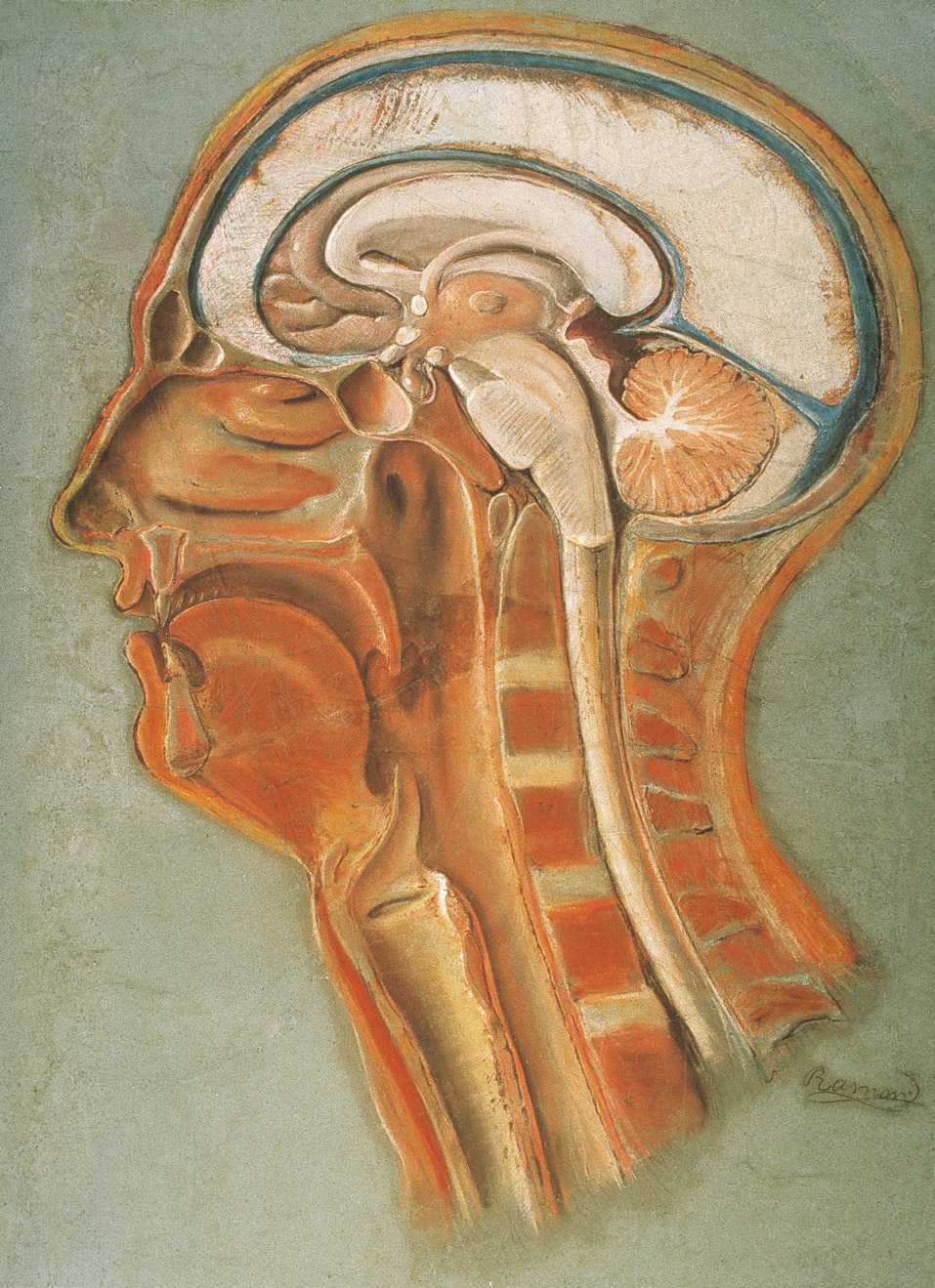
On June 25, 1873, Ramón y Cajal graduated with a degree in medicine from the University of Zaragoza. On September 3, he passed the competitive examination for a position as a military doctor and joined the Burgos Regiment. The following year, he was posted to Cuba, where he fell ill with malaria and dysentery. He returned to Zaragoza on June 16, 1875. From that year until 1884, he served as a professor of Anatomy at the University of Zaragoza, while also directing the Anatomical Museums since 1879. During this period, he created the drawings for the Anatomical Atlas preserved at the University, wrote his doctoral thesis and published his first research, thus laying the foundation for his distinguished scientific career. He later went on to take up the Anatomy Chair in Valencia.
Cajal’s connection to the University of Zaragoza is closely linked to his formative years and the early stages of his professional career. Three university locations clearly reflect this period: the Amphitheatre and Anatomical Museum, located at the Hospital de Nuestra Señora de Gracia in Zaragoza; the hospital itself; and the main building of the Universidad Literaria (the historical name of the University) of Zaragoza. A few years later, the brand-new Faculty of Medicine and Sciences—now known as the Paraninfo—was inaugurated. Thanks to the valuable documents preserved in the University Historical Archives, it is possible to trace Cajal’s footsteps during those years.
I will never forget that Zaragoza was the magnificent setting for my youthful dreams and for the hopes and aspirations of my adult life.
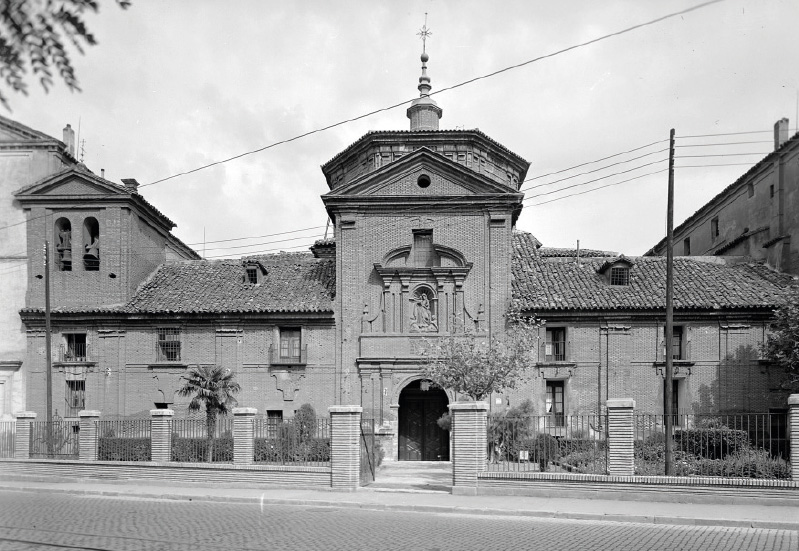
Hospital de Nuestra Señora de Gracia in Zaragoza, view of the church
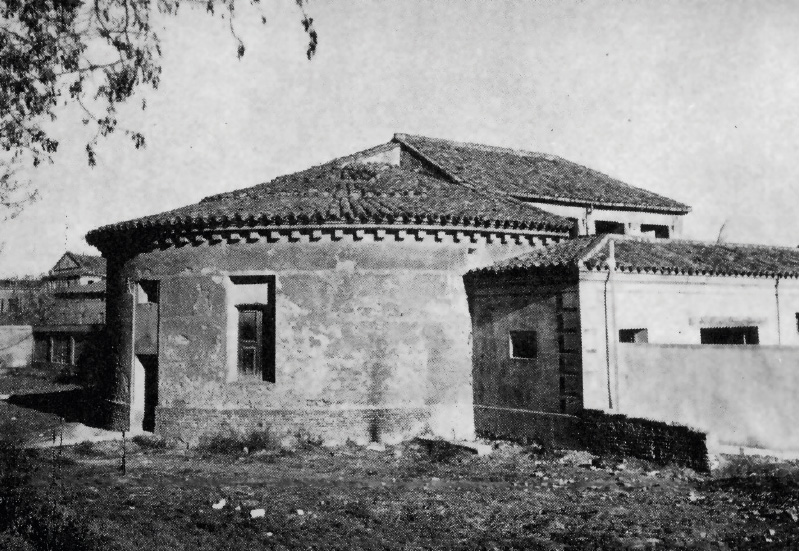
Amphitheatre and Anatomical Museum at the Hospital de Nuestra Señora de Gracia in Zaragoza

Universidad Literaria (the historical name of the University of Zaragoza)
In his autobiography, Recuerdos de mi vida (Recollections of my life), he talks at length about his teachers, the subjects he liked and those he less favoured, while recounting typical student anecdotes. According to his own words, he was an inconsistent student, throwing himself enthusiastically into whatever caught his interest but less concerned with the big picture or with finishing his degree with a stellar record. “Thanks to such excellent teachers, I made the most of it—that is, as much as my still-immature judgment and my constant artistic escapades would allow”. However, it is undeniable that his university years were a period of maturity in three areas that decisively shaped his personality: his profession, as he developed a passion for medicine and research; what he termed his “three obsessions”—literature, gymnastics and philosophy; and his friendships, which he formed among his classmates. His class was a relatively small group (the class photo shows thirty-seven graduates) and quite unique, as it was the second class of medical students since the programme was reinstated in Zaragoza.

Santiago Ramón y Cajal. A clipping from the graduation album of the University of Zaragoza’s Medicine Class of 1873. Cajal-CSIC Legacy
Santiago returned to Spain from Cuba via Santander on June 16, 1875, classified as “unfit for service” due to severe malarial cachexia, a condition incompatible with any military duty. He was a medical captain, had just turned twenty-three and the hiatus of his military service had lasted nearly two years. A few days later, “I finally had the indescribable joy of returning to Zaragoza and embracing my parents and siblings”. He practiced medicine for only a short time. His university ambitions, fostered unceasingly by Don Justo, ultimately drove him to obtain his doctorate. After his failure in his first competitive examinations and relapses of the illnesses contracted in Cuba, Don Justo—believing his son was unfit for academic life—even tried to find him an alternative career path. He attempted to set him up as a doctor in Castejón de Valdejasa, a post Santiago held for just a few weeks, and later in Corella, where he didn’t even bother to show up. Cajal always had a passion for research rather than clinical practice, which would eventually lead him to become the father of modern neuroscience.

Photograph of Santiago Ramón y Cajal wearing a military medical uniform as he set sail for Cuba, 1874. Cajal-CSIC Legacy
On July 3, 1877, he defended his doctoral thesis, Patogenia de la inflamación (The Pathogenesis of Inflammation) and received his doctorate in medicine from the Universidad Central. While taking his exams in Madrid, he met Aureliano Maestre de San Juan, a professor of Histology and Pathological Anatomy, who introduced him to a whole new world: the microscopic one. He developed an interest in histology, and using the savings from his pay while serving in Cuba, he bought his first microscope—a Verick—with the aim of setting up a histology laboratory in Zaragoza.

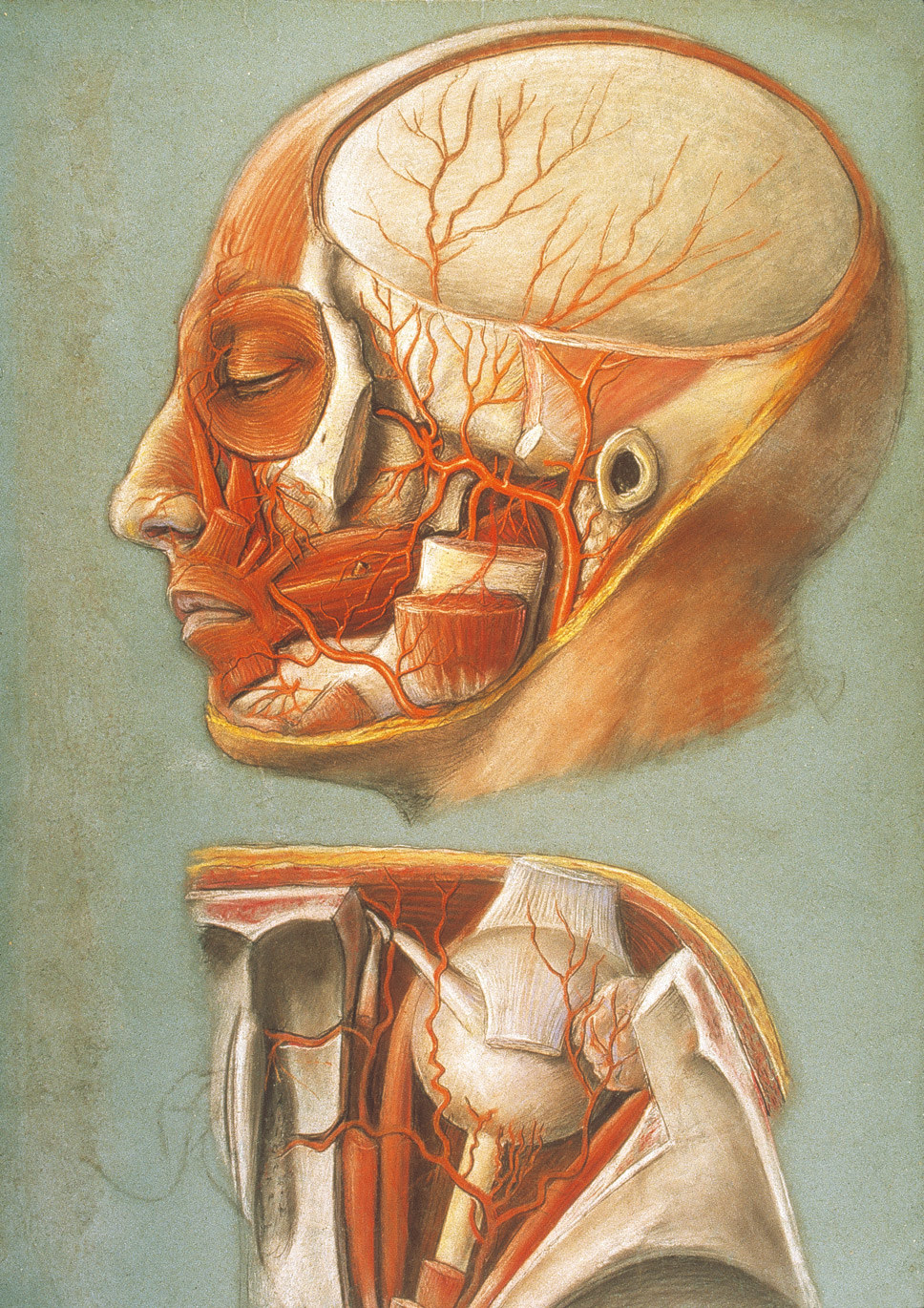

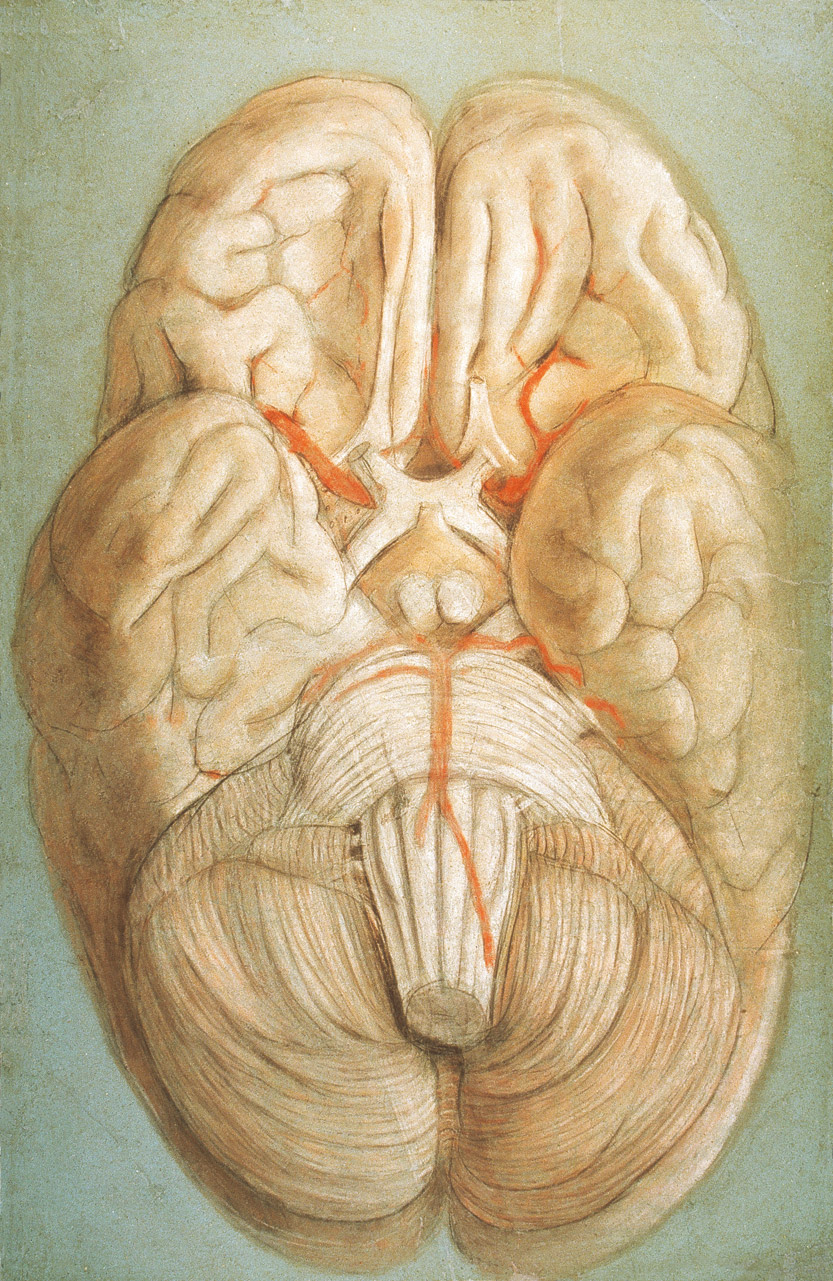
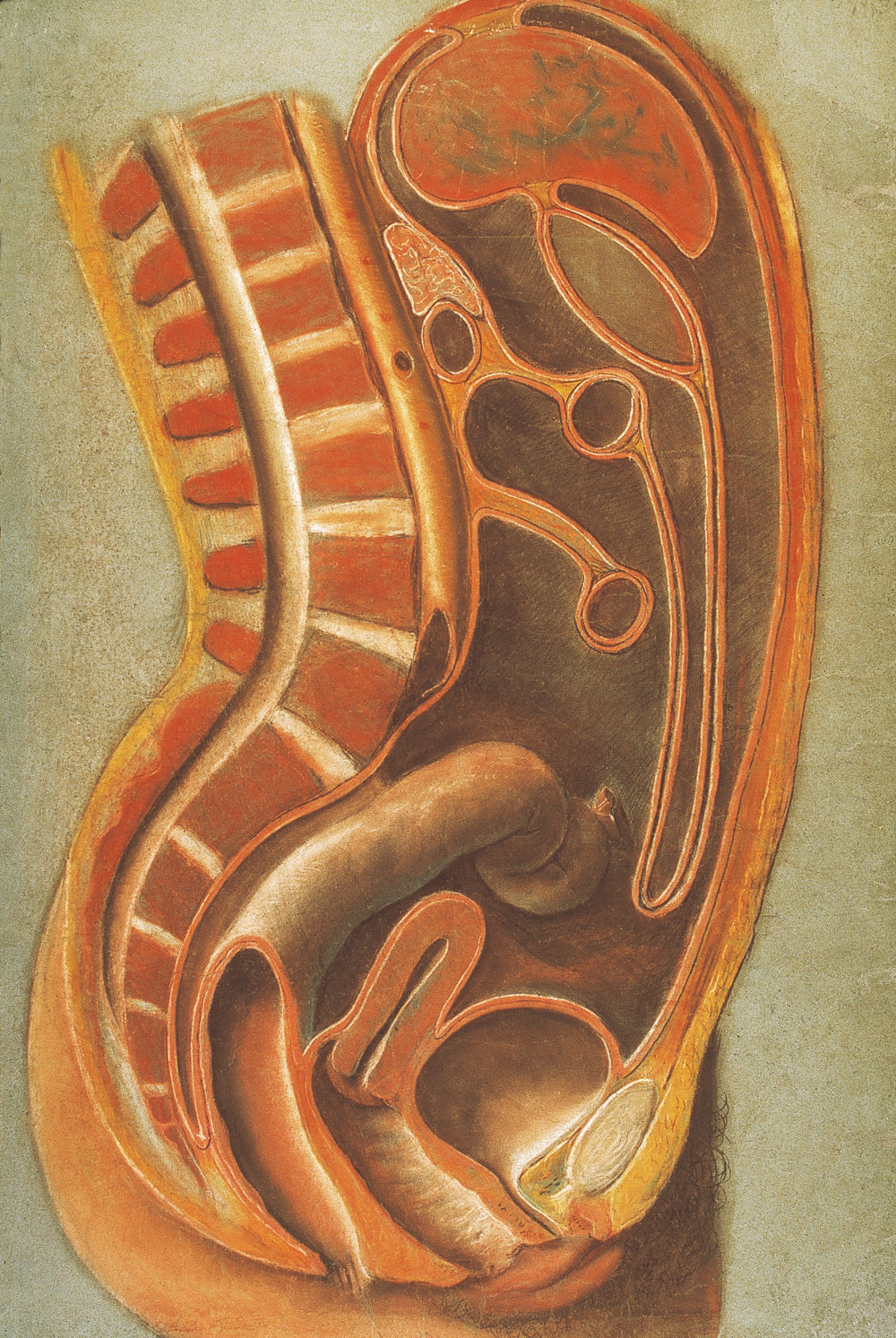
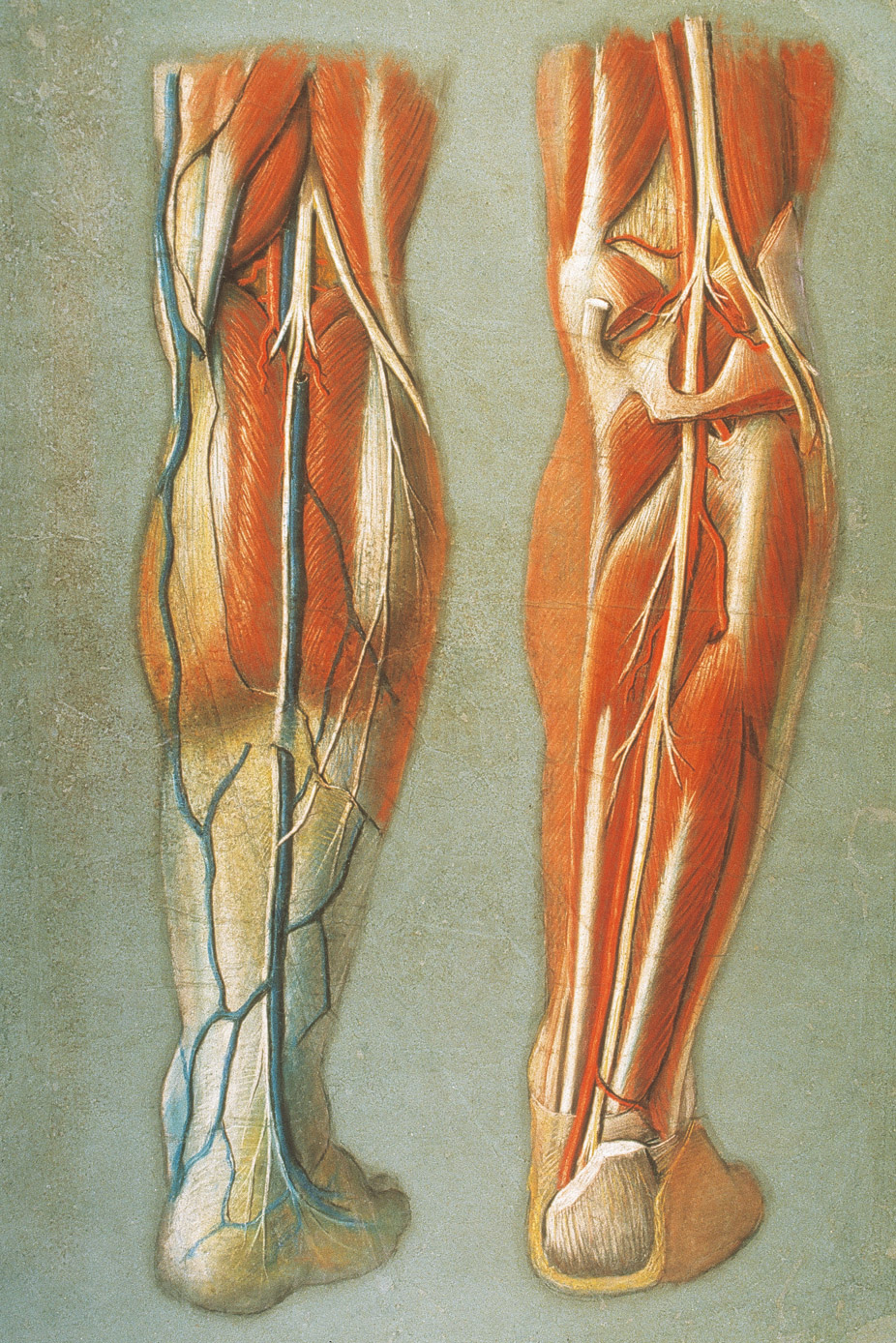
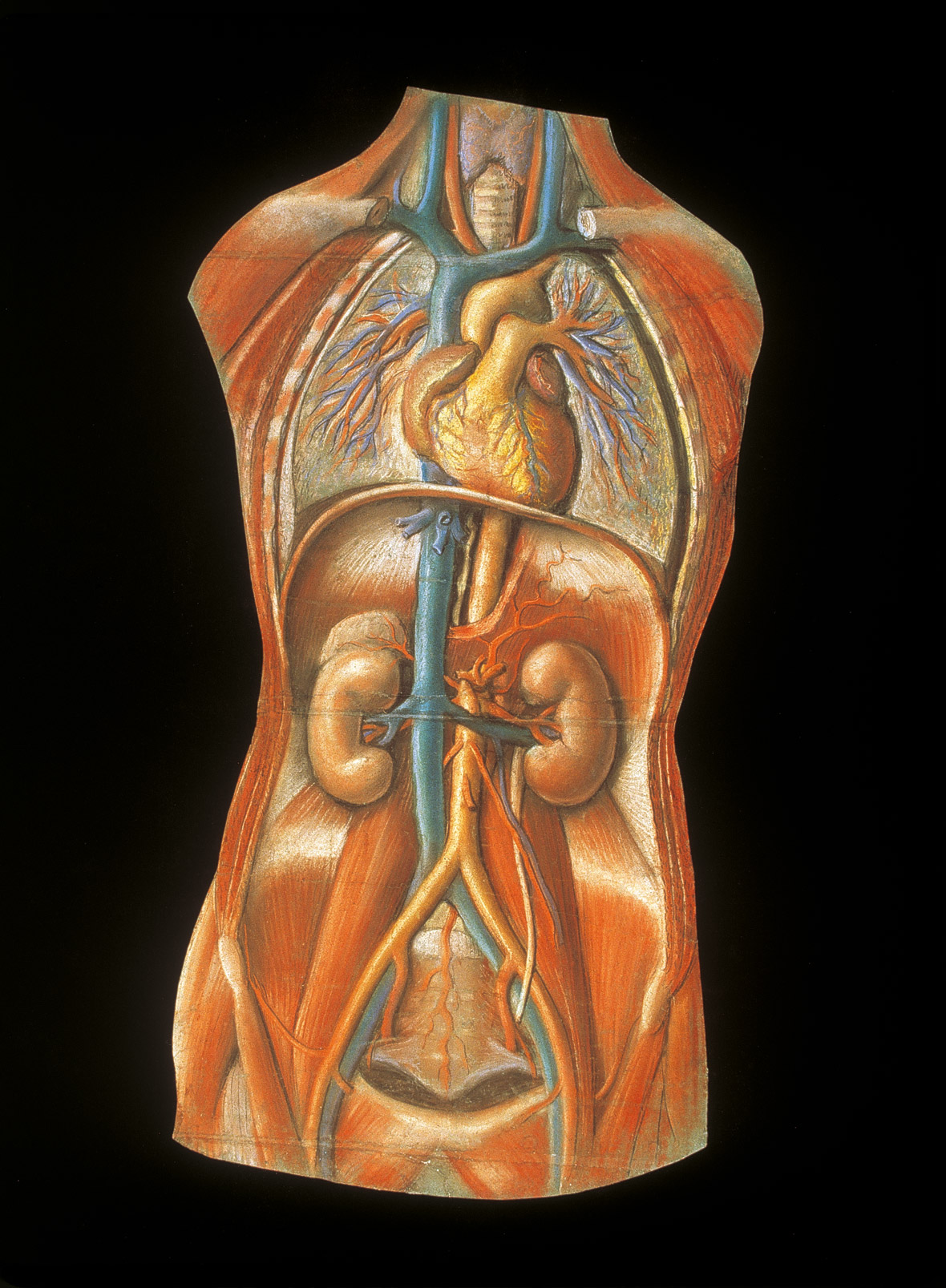
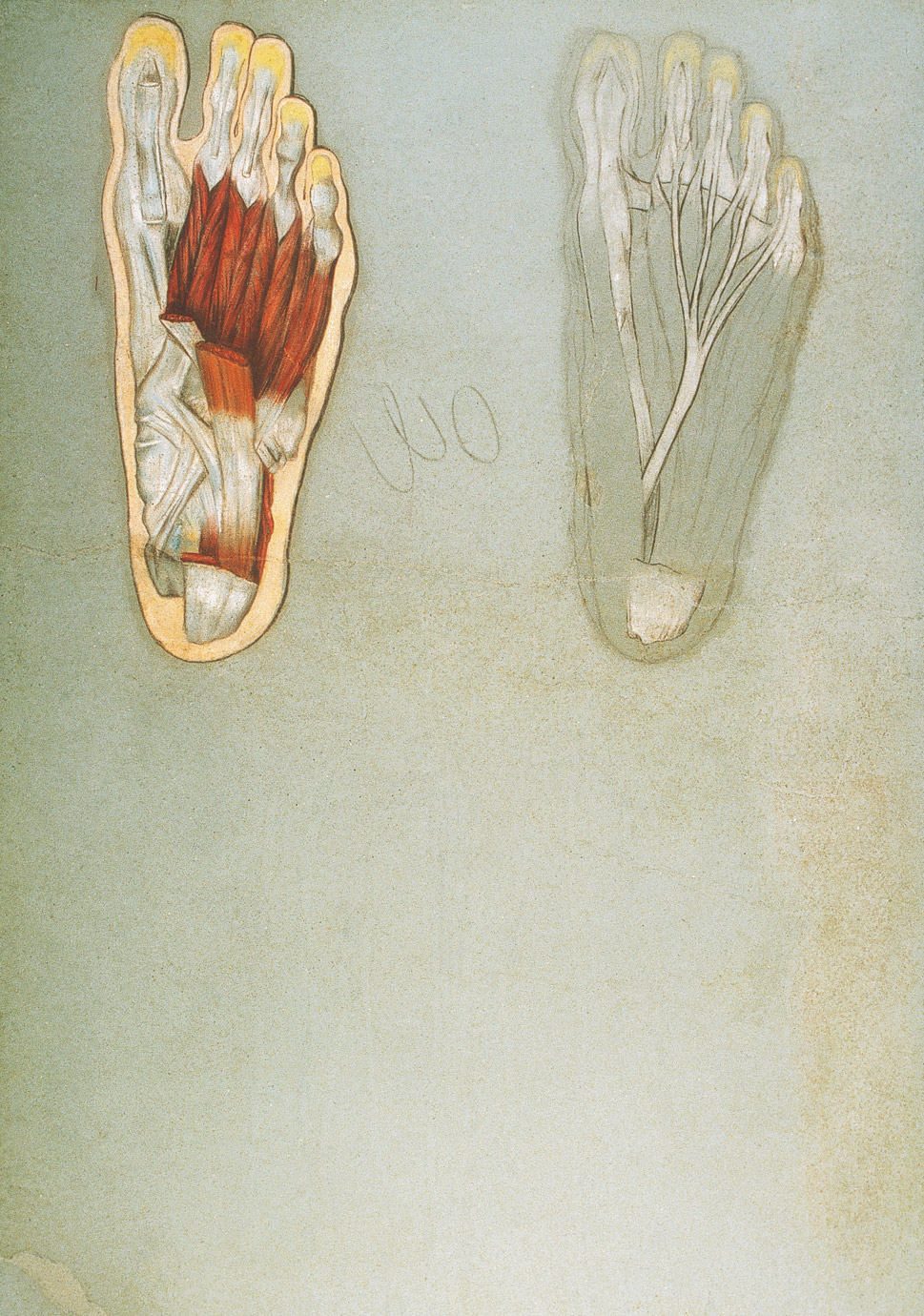
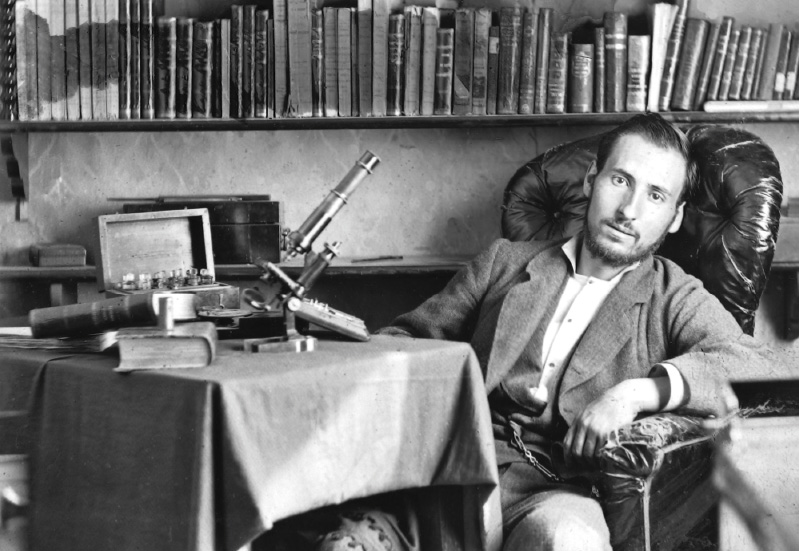
Self-portrait at his home in Zaragoza with his first microscope, c. 1880. Cajal-CSIC Legacy
YOUNG RESEARCHER
“Thanks to the boundless kindness of Mr. Aureliano Maestre, I passed Histology with ease; but I had never even seen a cell, nor was I capable of performing the simplest micrographic analysis. And the worst part was that, at the time, there was no one in Zaragoza who could guide me through the realm of the infinitely small. In addition, the Faculty of Medicine, where I worked as an assistant and lab technician, was severely lacking in practical resources. The physiology lab was the only place that had a decent microscope. With this old amplifying device, and thanks to the warm friendship Dr. Borao—who was then an assistant in the Department of Physiology—had shown me, I witnessed for the first time the astonishing spectacle of blood circulation. […]
Having chosen an attic as the workspace for my practical experiments and gathered some reagents, all I needed was a good microscope. The meagre remnants of my Cuba funds weren’t enough to cover it all. Fortunately, during my last tour to the Court, I learnt that at 25 León Street, main floor (I haven’t forgotten it yet!), there lived a certain medical instrument supplier, Mr. Francisco Chenel, who provided, on an instalment plan, excellent microscopes by Nachet and Verick, French brands that were very much in vogue at the time. I began then corresponding with the merchant, and we agreed on the terms: I would pay him 140 duros in four instalments, the price of a high-quality Verick model, complete with all its accessories. The magnification of the lenses (which included a water-immersion objective) exceeded 800x. Shortly thereafter, I purchased a Ranvier microtome, a rotating stage and many other micrographic tools from the same supplier. On top of that, I had my modest salary as an assistant and the meagre earnings from my anatomy tutoring; but the financial foundation for the laboratory and library came from the savings I had brought with me from Cuba. See how the diseases contracted in the Great Antille ultimately proved beneficial”.
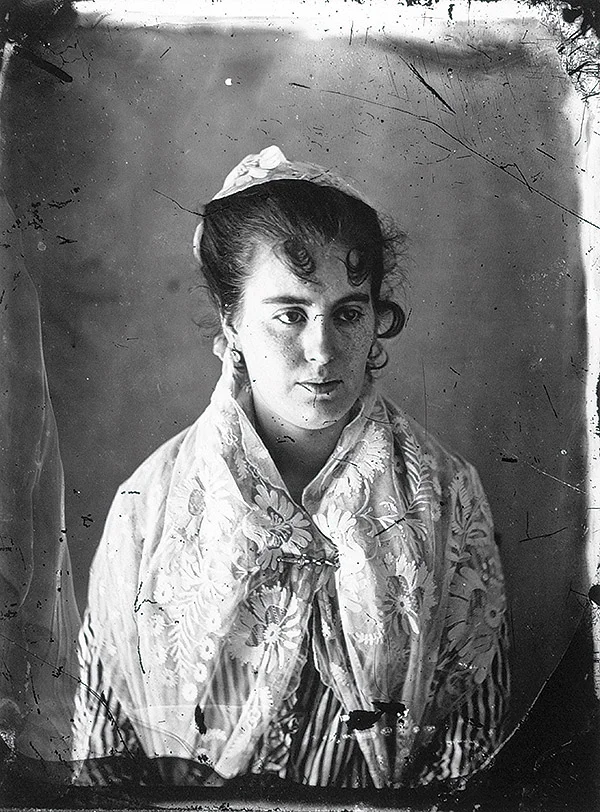
Silveria Fañanás García, c. 1880. Cajal-CSIC Legacy. Cajal painted numerous portraits of his wife, his children and himself, allowing us to witness the evolution of the entire family.
Santiago’s wife, Silveria Fañanás García, supported him unconditionally and encouraged him to pursue his dreams and ambitions. They knew each other by sight from the time Cajal studied in Huesca, but it was not until they met again in Zaragoza some years later that they fell in love and got married, on July 19, 1879, at the parish church of San Pablo against the advice of their parents and friends, who foretold a disaster. The only family member who attended his wedding was his brother Pedro, since Santiago decided to keep it a secret from the rest of his family. The couple had seven children: Fe (1881), Santiago (1882), Paula (1884), Jorge (1885), Enriqueta (1886), María del Pilar (1891) and Luis (1892).
I was undoubtedly drawn to the sweetness and delicacy of her features, the slenderness of her waist, her large green eyes framed by long lashes and the lushness of her blonde hair […]. Sometime later, despite my family’s attempts to dissuade me, I got married […]. My wife, with her selflessness and modesty, her love for her husband and children and her spirit of heroic thrift, made possible the stubborn and obscure work of the man writing these lines.