Introduction
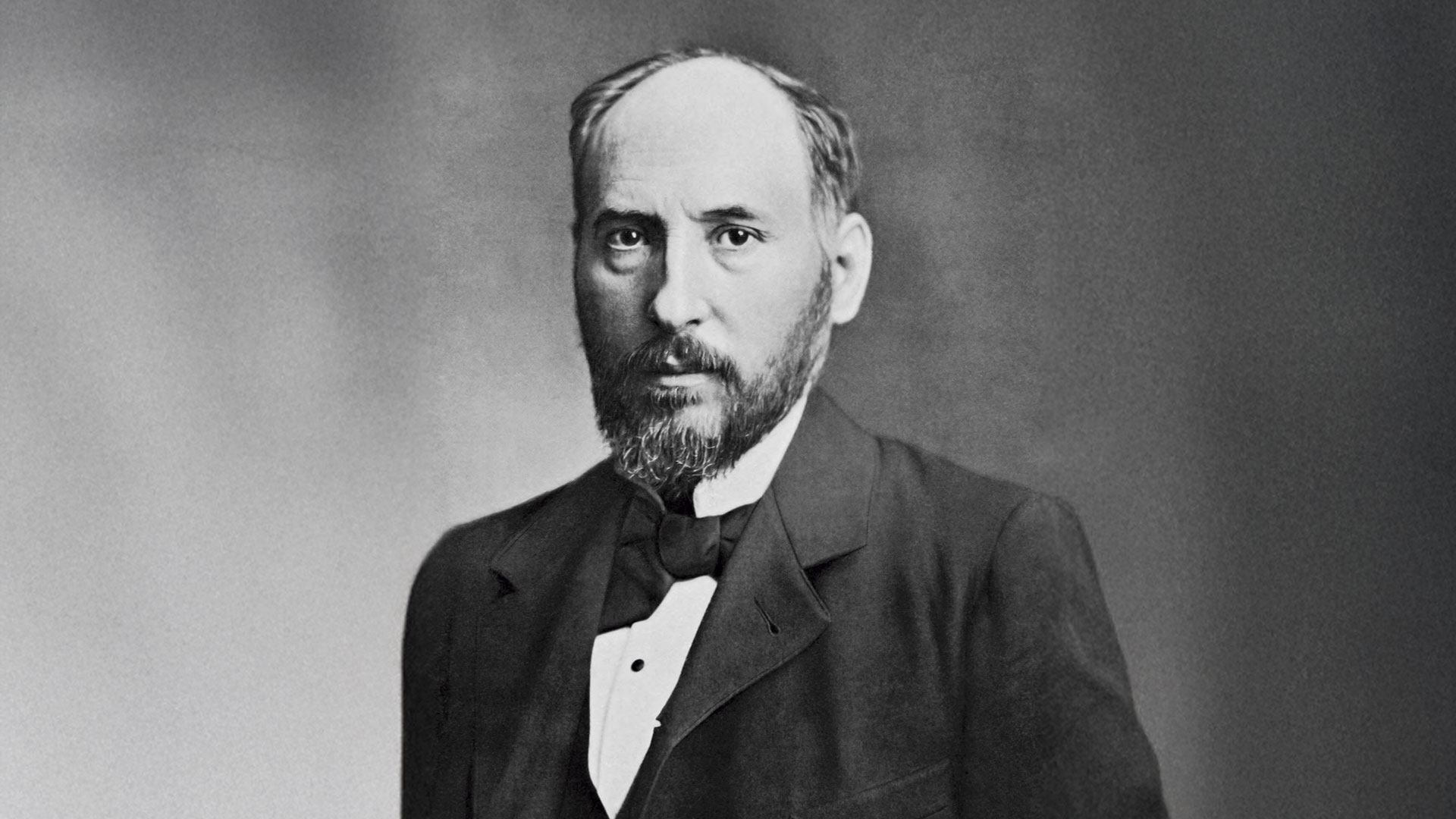
Santiago Ramón y Cajal, winner of the 1906 Nobel Prize in Medicine, pursued his medical studies at the University of Zaragoza and held various positions over the course of several years at what he repeatedly referred to as his “beloved alma mater”.
Cajal was not only the greatest Spanish scientist in history, but also one of the most influential scientists of universal science, on par with Darwin, Curie and Einstein. His works continue to be cited frequently because he is still alive today in his legacy.
A man of many talents, he also excelled in drawing and painting, writing short stories and non-scientific essays and, of course, photography, a field in which he broke new ground. Ultimately, he was a man deeply committed to his time and circumstances, a patriot in the noblest sense of the word, determined to set Spain right. He was also proud to be, as he himself wrote, “a son of Aragon”.
The University of Zaragoza proudly expressed its appreciation and admiration for Cajal, its most distinguished alumnus, as early as the beginning of the last century. To mark his retirement, Rector Ricardo Royo Villanova commissioned the artist Mariano Benlliure to create the magnificent statue that now stands at the entrance to the Paraninfo building. It was unveiled by king Alfonso XIII in 1925.
One of the goals that shaped the Proyecto CAJAL was to honour the most prominent figure to have sat in our lecture halls and to bring his life and work to society as a whole. In 2019, marking the 150th anniversary of the start of Cajal’s studies at the University of Zaragoza, a major exhibition was organised. It paid special attention to the origins of the Cajal family, his childhood and youth, ties to our university, scientific achievements and his legacy School of Neuroscience. In addition, the annual Lecciones Cajal (Cajal Lectures) began, featuring leading scientists of international renown. Cajal made his love for his alma mater clear in his will, in which he bequeathed a portion of his estate to his university to support young researchers. The Cátedra Cajal (Cajal Chair) has decided to revive this initiative and is issuing calls for grant applications from researchers who submit cutting-edge and competitive projects.
In 2023, the University published the book Santiago Ramón y Cajal. El hombre, el científico, el intelectual (Santiago Ramón y Cajal: The man, the scientist, the intellectual). That same year, the permanent exhibition Espacio Cajal opened its doors to the public in the Joaquín Costa Hall of the Paraninfo building in Zaragoza. This exhibition, currently the only one in the city dedicated to the Nobel laureate, aims both to pay tribute to our great scholar and to lay the groundwork for the future development of the University of Zaragoza’s Proyecto CAJAL. Since the opening of the Espacio Cajal, other exhibitions have been organised, such as Aragón en los ojos de Cajal (Aragón through Cajal’s eyes) (2025), as well as cross-disciplinary projects dedicated to the most prominent figures of his School.
The next step in achieving the objectives of the Proyecto CAJAL is this website. Through it, the University of Zaragoza’s Vice-Rectorate for Culture and Heritage makes all the information featured in the Espacio Cajal permanent exhibition available to the public, transforming it into a virtual experience accessible from anywhere and on any device. The purpose of this website is to present, in a dynamic, engaging and thorough manner, the key aspects of the personal and scientific journeys of both Cajal and some of the people who accompanied him along the way. Users who wish to continue exploring the figure of Cajal can click on the “x” tab, which offers a bibliographic selection that will direct visitors to relevant open-access publications, written by Cajal himself or by other authors.