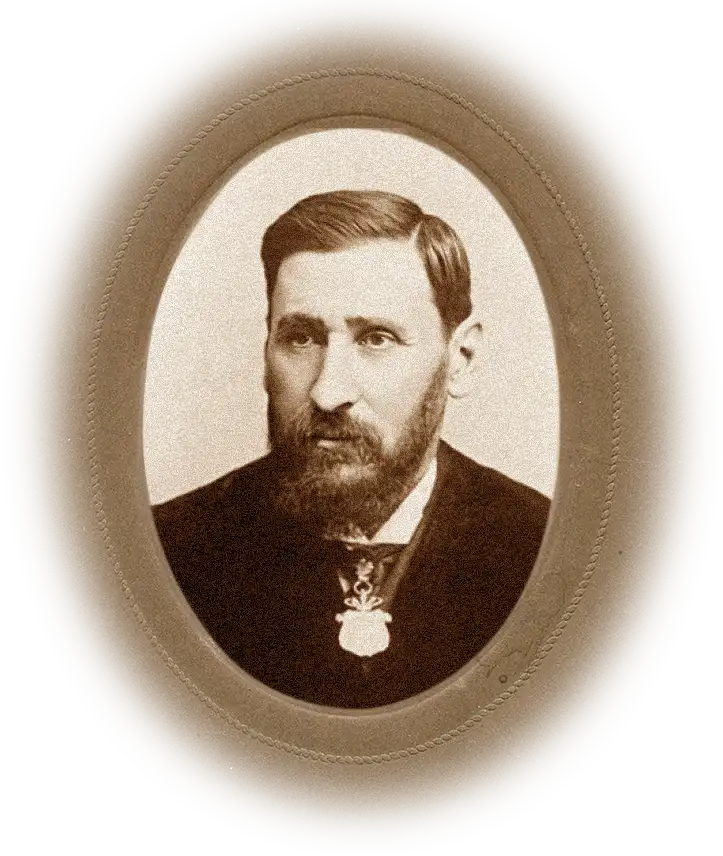
1907
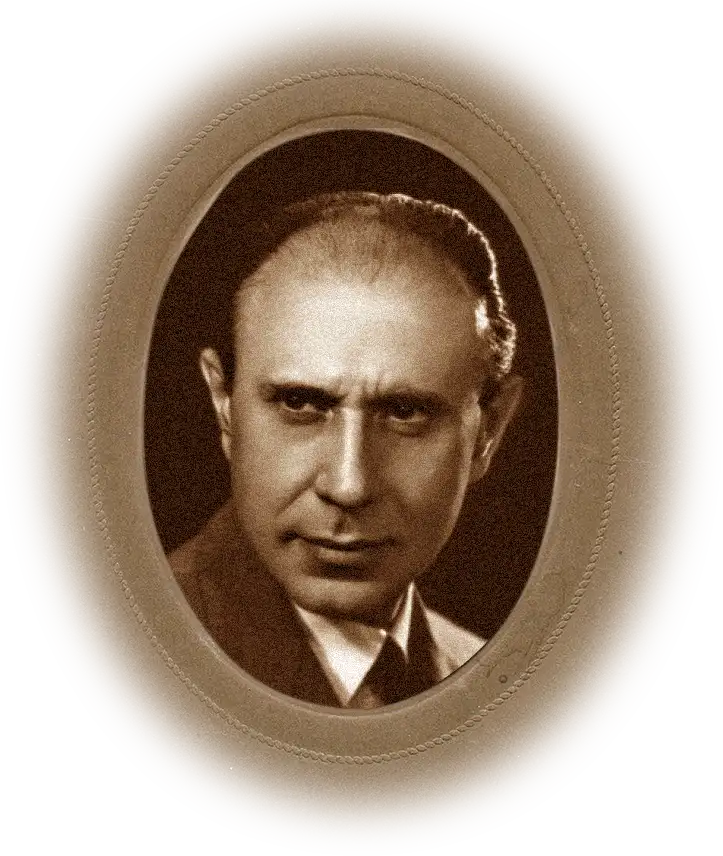
1922
In 1907, the Board for the Advancement of Studies and Scientific Research was established, with Cajal appointed as its president, and he was elected a full member of the Royal Academy of Medicine. During these years, Cajal held various positions as part of his commitment to science and Spanish society, and published seminal works such as Histologie du système nerveux de l’homme et des vertébrés in 1911, a revised French edition of the 1904 Spanish original.
THE GREAT POPULAR SAGE
He was a man deeply committed to his time, not just a great scientist. A regenerationist in action after the Disaster of ’98, he later became a driving force behind the modernisation of Spain through educational and research policy. In those fields, he held numerous public offices, and was even offered the position of Minister of Education.
CAJAL
AS A WRITER
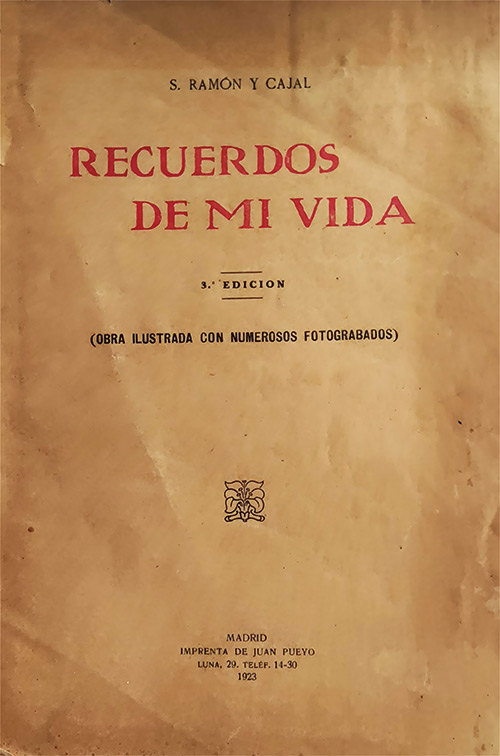
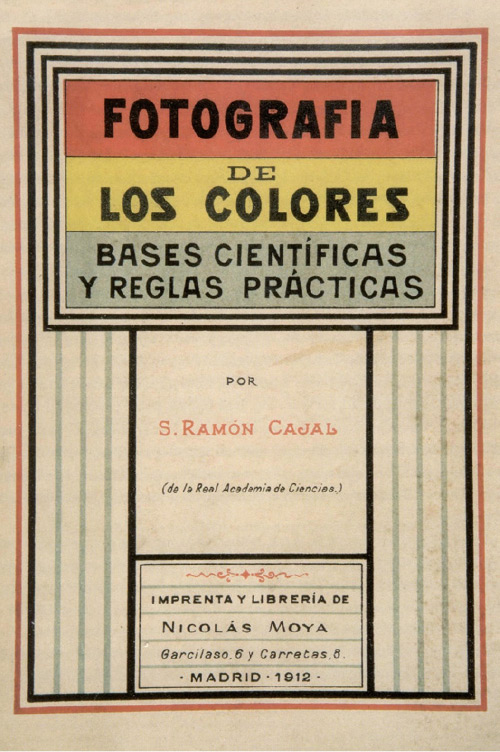
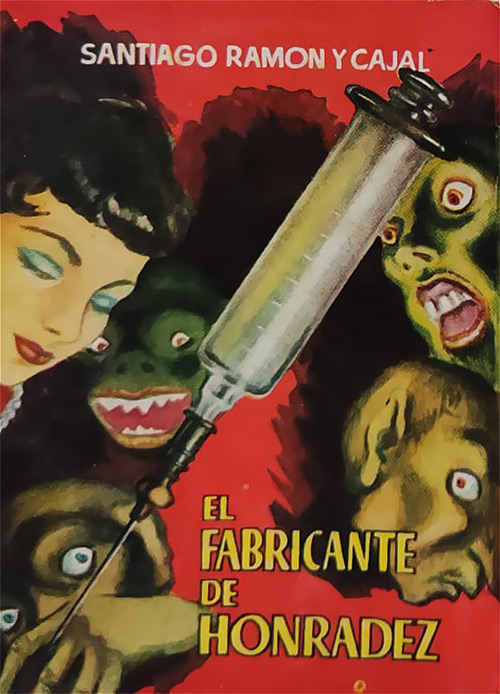
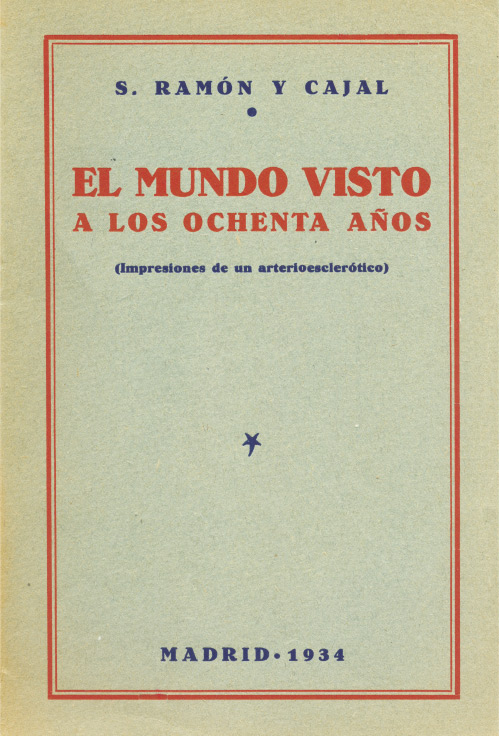
In addition to his outstanding scientific achievements, Santiago Ramón y Cajal left a significant mark in the literary world. His writings span a wide range of genres and themes, demonstrating his versatility as an author. Through these works, Cajal demonstrated his ability to combine scientific rigor with captivating and creative prose.
Alfonso Sánchez García, Santiago Ramón y Cajal’s dissection class, 1915
CAJAL'S SCHOOL OF NEUROSCIENCE
Santiago Ramón y Cajal founded an extraordinary school, possibly the most significant in the history of biomedicine, which was cut short by the Civil War. Where would Spanish science be today if the school had been able to continue? And what if a second Nobel Prize had been awarded to Río Hortega, De Castro or Lorente de Nó?
Pedro Ramón y Cajal
Jorge Francisco Tello
Nicolás Achúcarro
Fernando de Castro Rodríguez
Pío del Río Hortega
RAFAEL LORENTE
DE NÓ
In 2017, UNESCO’s Memory of the World Programme recognised the legacy of Cajal and his disciples, an honour reserved for very few scientists, and determined that “these archives are essential for the study of the history of the discoveries and theories that led to the current understanding of the human brain”
The greatest glory of a teacher lies not in training disciples who follow him, but in training scholars who surpass him.