1852
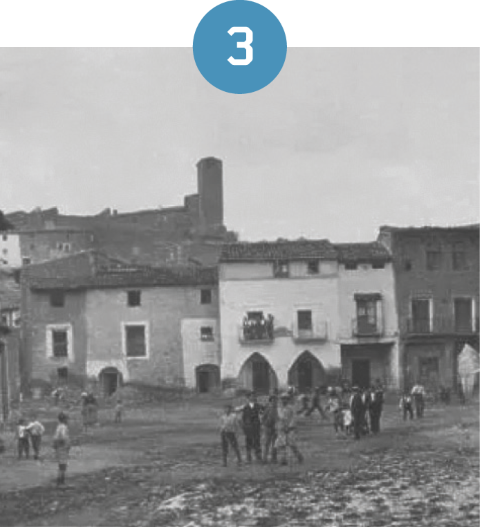
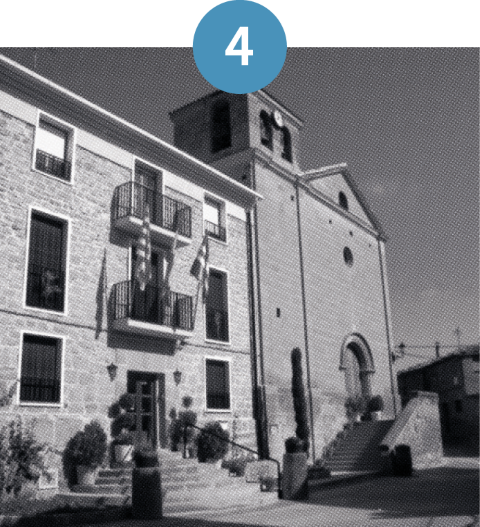
Santiago Felipe Ramón y Cajal was born on May 1 in Petilla de Aragón, the son of Justo Ramón and Antonia Cajal. His father, a native of Larrés, had moved there to work as a surgeon in September 1849.
RAMÓN Y CAJAL,
AN ARAGONESE
FAMILY
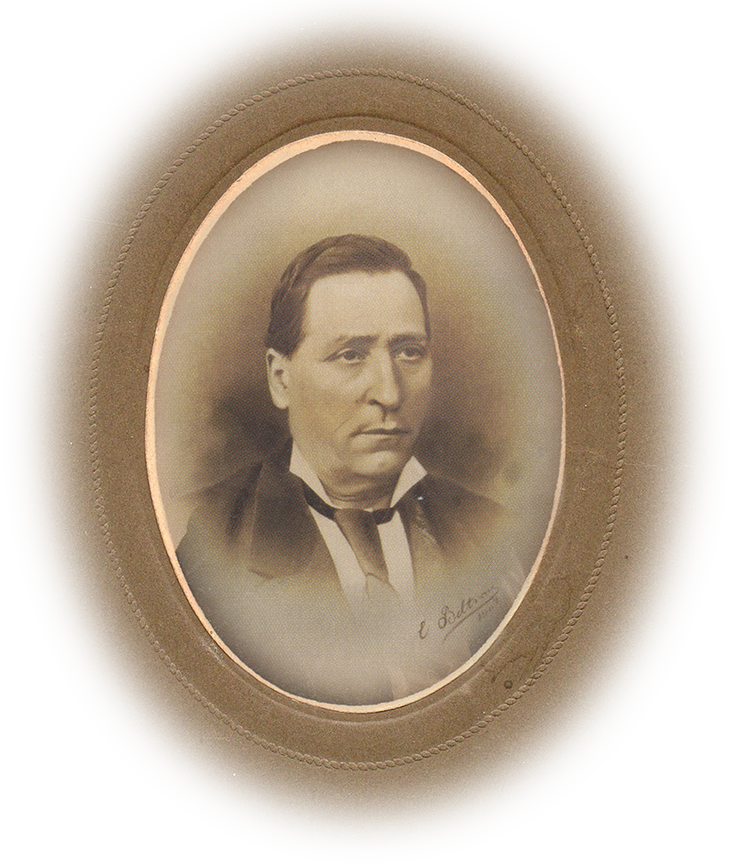
Born in the village of Larrés, Antonia Cajal Puente and Justo Ramón Casasús began dating in 1849. She came from a family of weavers, while he was the son of farmers.
ANTONIA
CAJAL
PUENTE
JUSTO
RAMÓN
CASASÚS
Don Justo Ramón was a shepherd, a farmhand and a barber’s apprentice. Although he was illiterate, his determination to learn led him to teach himself to read and write. A great ambition took root in him: to become a doctor.
He did it. He studied medicine in Zaragoza and Barcelona, traveling between the two cities on foot because he couldn’t afford transportation. After being promoted to second-class surgeon, he returned to Larrés.
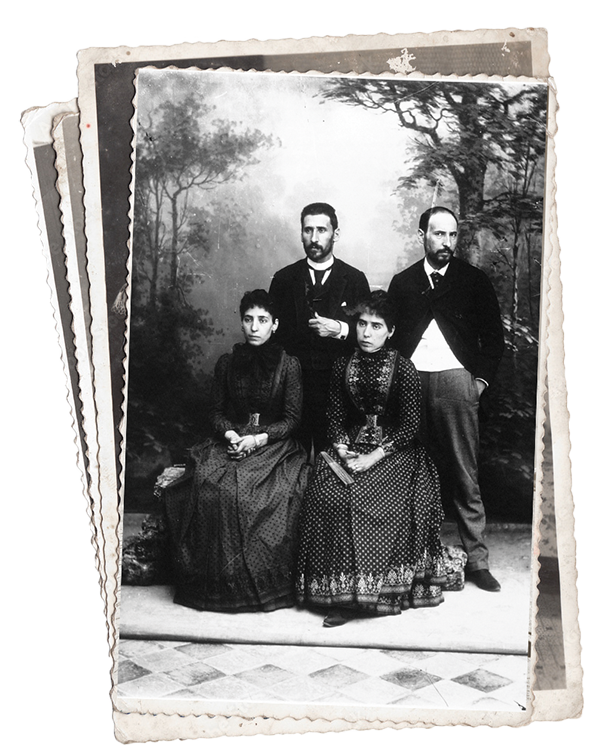
Once Don Justo found a job in the nearby town of Petilla de Aragón, he married Antonia. On May 1, 1852, his first son, Santiago Felipe Ramón Cajal, was born.
He was followed by a younger brother and two sisters: Pedro (1854), also a doctor; Pabla (1857) and Jorja (1859).
Santiago spent his childhood and youth in various towns in Aragon, following his father’s job transfers and pursuing his own studies.
ARAGON, PLACES FROM HIS CHILDHOOD AND YOUTH
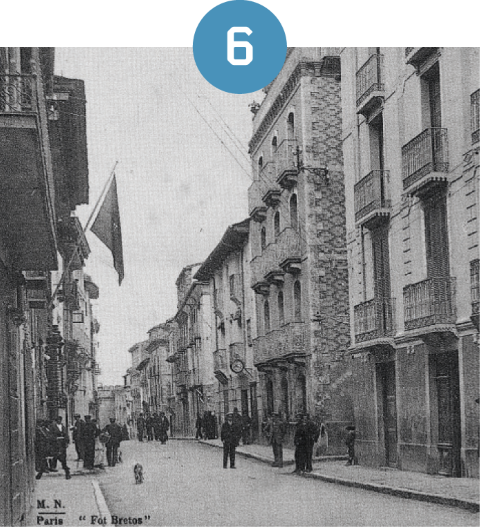
There were many towns in Aragon that welcomed Santiago Ramón y Cajal during those early years: Larrés, Luna, Valpalmas, Ayerbe, Jaca, Huesca, Gurrea de Gállego, Zaragoza, Panticosa or San Juan de la Peña.
1852
Santiago Ramón y Cajal was born on May 1 in Petilla de Aragón, the son of Justo Ramón and Antonia Cajal.
1854
The family moved to Larrés, his parents’ hometown. “My earliest memories, which are quite vague and hazy, are of Larrés”. His brother Pedro was born.
1855
Don Justo was appointed second-class surgeon and the family moved to Luna. He got into his first mischief, hit a horse and got kicked—an incident that could have cost him his life.
1856
Transfer to Valpalmas. He went to school and learnt French from his father in a cave now known as “the friar’s cave”. Three events left a lasting impression on him: a lightning strike at the school, a solar eclipse and the celebrations marking the Spanish victories in Africa.
1860
The family settled in Ayerbe. This is where he would spend much of his childhood and youth, as well as his summers while studying abroad. His passion for painting and nature awoke. He became infamous for his pranks and was even sent to prison.
1861
In an effort to discipline him, Don Justo sent him to the Escuelas Pías boarding school in Jaca to pursue his high school studies. Punishments, constant runaways and poor grades.
1864
His father decided to send Santiago to high school in Huesca. He found city life overwhelming. He took up gymnastics and slingshot shooting.
1866
His poor grades and behaviour led Don Justo to take him out of school, and he began working as a shoemaker’s apprentice in Gurrea de Gállego, where the family was staying temporarily. The following year, he resumed his studies in Huesca and graduated from high school.
1869
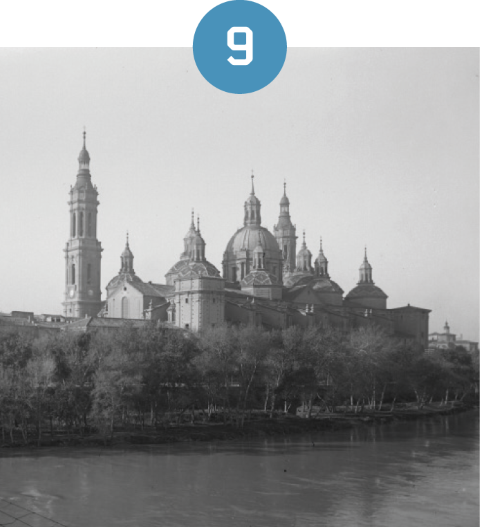
Cajal arrived in Zaragoza to pursue his pre-medical studies at the university, his “beloved alma mater”.
1877
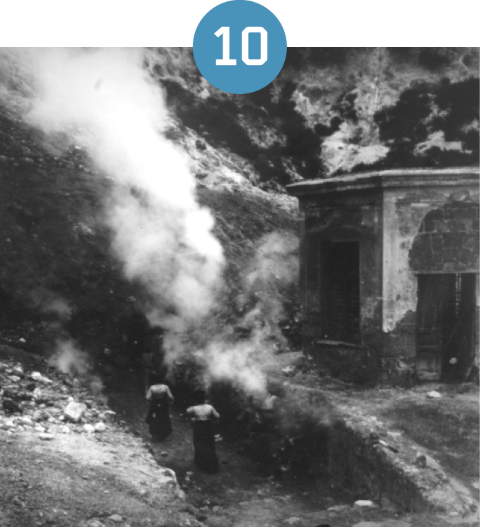
At the thermal waters of Panticosa Health Resort, he recovered from an episode of haemoptysis linked to poorly treated malaria contracted in Cuba.
1877-78
Upon returning from Panticosa, he continued his recovery at the monastery of San Juan de la Peña, where he regained his strength. He took several photographs that are now considered the oldest of this site.