CHAPTER 4

1869

1884

CAJAL AND THE UNIVERSITY OF ZARAGOZA

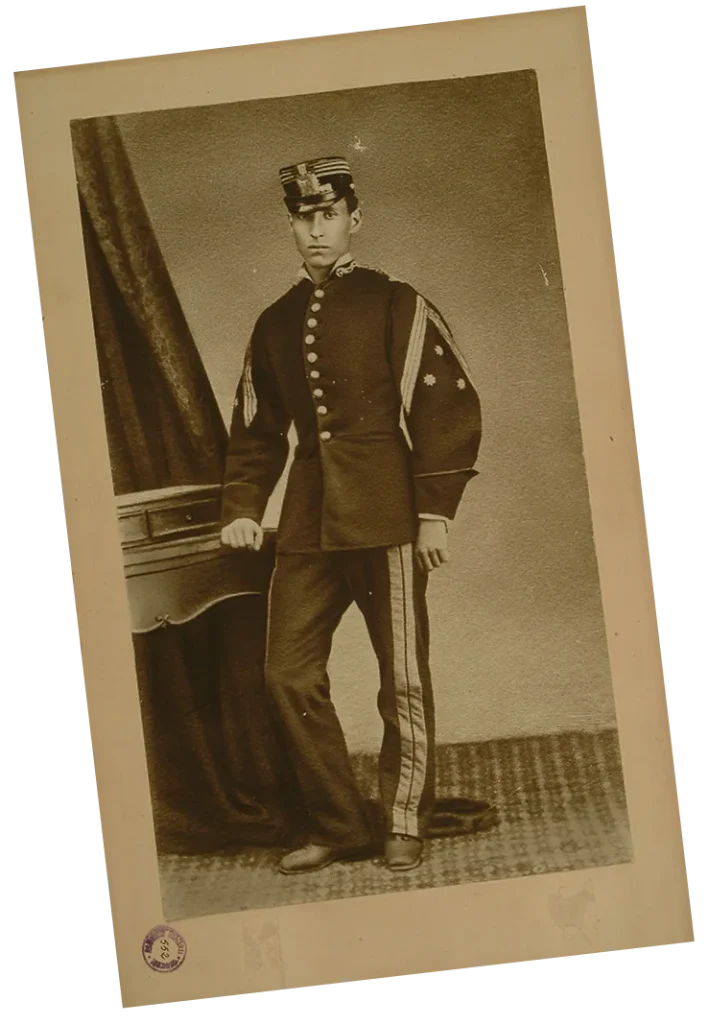
In June 1873, Ramón y Cajal graduated with a degree in medicine from the University of Zaragoza. He became a military doctor through a competitive examination and was soon posted to Cuba, where he fell seriously ill with malaria and dysentery. After two years away, he returned to Zaragoza on June 16, 1875.

Universidad Literaria (the historical name of the University of Zaragoza)
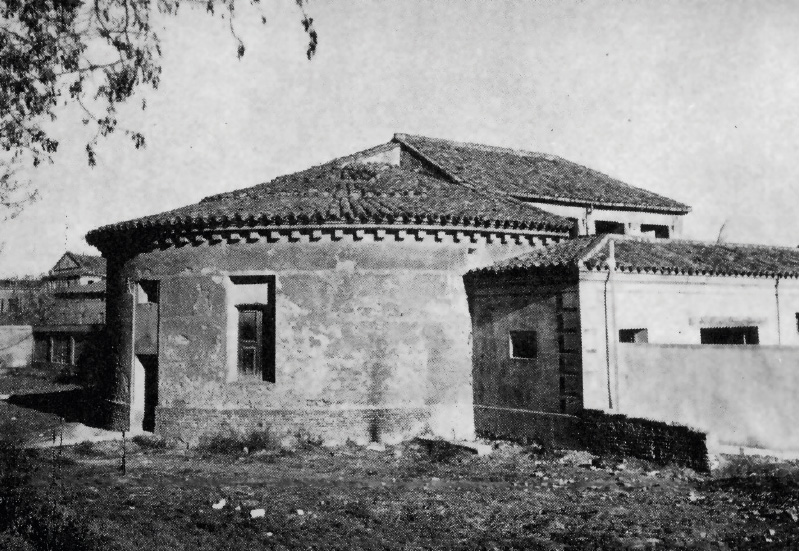
Amphitheatre and Anatomical Museum at the Hospital de Nuestra Señora de Gracia
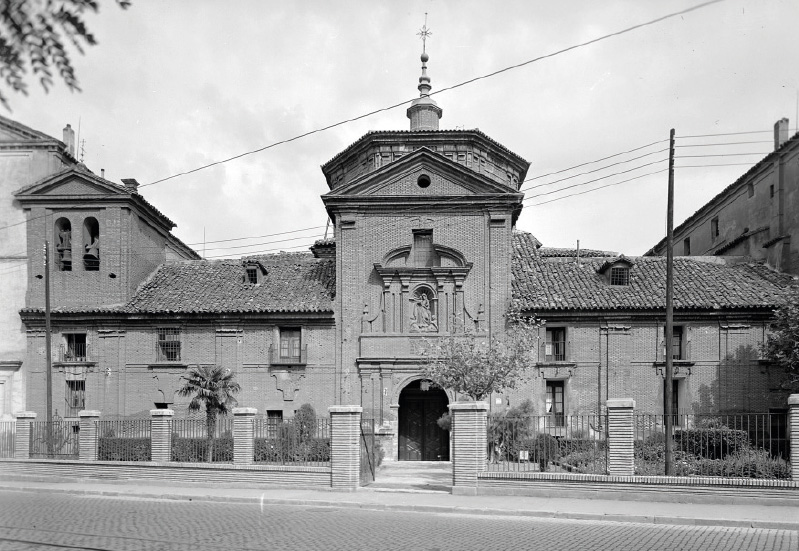
Church of the Hospital de Nuestra Señora de Gracia

I will never forget that Zaragoza was the magnificent setting for my youthful dreams and for the hopes and aspirations of my adult life.

During his college years, he matured in three areas that played a decisive role in shaping his personality: his profession, as he began to take a liking to medicine and research; what he called his “three obsessions”—literature, gymnastics and philosophy; and his friends, among his classmates.

In 1874, he was posted to Cuba, where he fell ill with malaria and dysentery. He was a medical captain, had just turned twenty-three, and his hiatus from military service had lasted nearly two years. He returned to Zaragoza on June 16, 1875.

Self-portrait at his home in Zaragoza with his first microscope, c. 1880. Cajal-CSIC Legacy

Still dealing with the aftermath of the illness, he slowly got his life back on track in the Aragonese capital. He completed his doctoral thesis, worked as a professor of Anatomy at the university, and later became director of the Anatomical Museums as well.

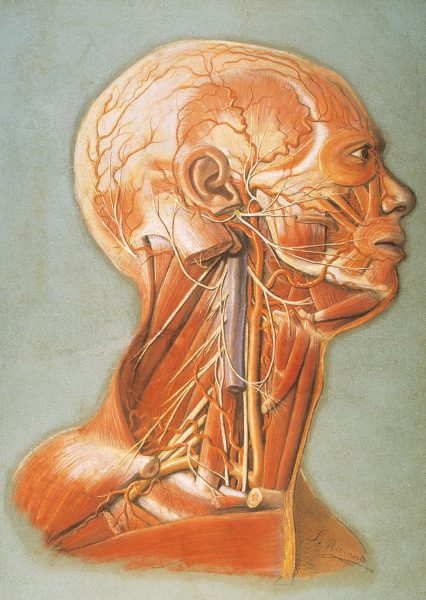
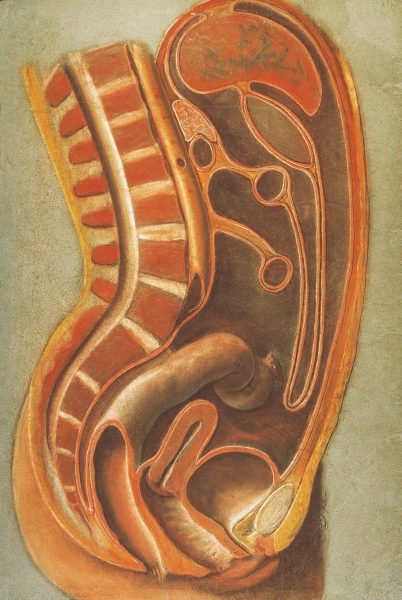
Drawing on his skills in painting and anatomy, Cajal created the University’s Anatomical Atlas during this period.

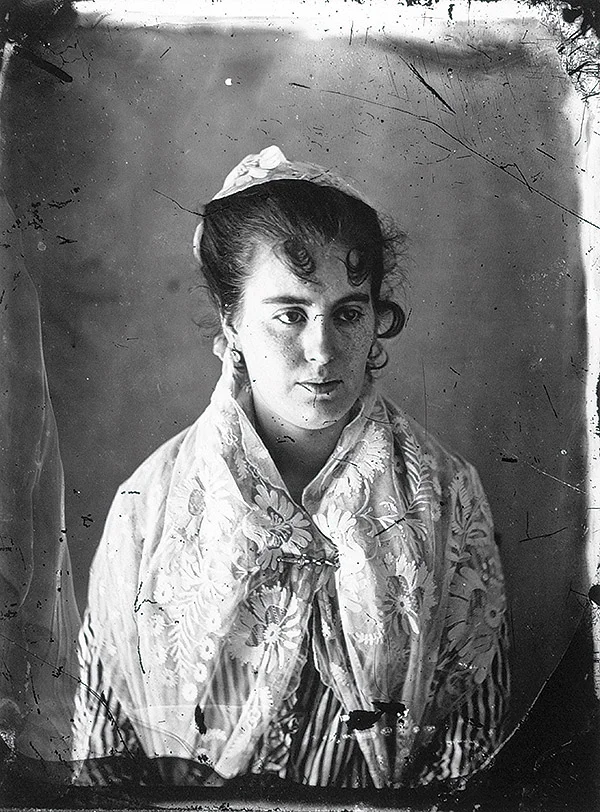
Santiago’s wife, Silveria Fañanás García, supported him unconditionally and encouraged him to pursue his dreams and ambitions. They knew each other by sight from the time Cajal studied in Huesca, and against the advice of their parents and friends, who foretold a disaster, they got married on July 19, 1879, at the parish church of San Pablo. The only family member who attended his wedding was his brother Pedro. The couple had seven children.

I was undoubtedly drawn to the sweetness and delicacy of her features, the slenderness of her waist, her large green eyes framed by long lashes and the lushness of her blonde hair […]. Sometime later, despite my family’s attempts to dissuade me, I got married […]. My wife, with her selflessness and modesty, her love for her husband and children and her spirit of heroic thrift, made possible the stubborn and obscure work of the man writing these lines.